what if you go over your protein on keto Protein keto re enough getting eating signs much diet
Protein is an essential component of a well-balanced diet and plays a vital role in numerous bodily functions. When following a ketogenic diet, which is characterized by a low-carbohydrate and high-fat intake, the question arises: Should you eat more protein? Let’s delve into this topic and understand the role protein plays in achieving ketosis and maintaining optimal health.
Understanding Ketosis and the Importance of Protein
Ketosis is a metabolic state where the body primarily relies on fat for fuel instead of carbohydrates. By limiting carbohydrate intake, the body depletes its glycogen stores, leading to the production of ketones from fat breakdown. For those following the ketogenic diet, reaching and maintaining ketosis is the ultimate goal.
Protein intake on a keto diet is crucial for several reasons. Firstly, consuming an adequate amount of protein helps preserve muscle mass while promoting fat loss. This is particularly essential when aiming for weight loss or body composition changes. Additionally, protein contributes to feelings of fullness and helps control appetite, which can be beneficial when following a low-calorie diet.
Another significant role of protein is its impact on metabolism. The thermic effect of food (TEF) refers to the energy expended during digestion, absorption, and metabolism of nutrients. Of the three macronutrients, protein has the highest thermic effect, meaning it requires more energy to digest compared to fats or carbohydrates. By increasing protein intake, you can potentially boost your metabolism and increase energy expenditure.
The Importance of Consuming Adequate Protein
Consuming enough protein while on a ketogenic diet is crucial for various reasons. However, it’s important to note that the optimal protein intake varies based on individual factors such as age, sex, activity level, and goals.
Research suggests that protein intake between 0.6 and 0.8 grams per pound of body weight may be sufficient for most individuals. However, certain circumstances may require a higher protein intake. For example, individuals engaged in intense physical exercise, such as weightlifting or endurance training, may need more protein to support muscle repair and growth.
When consuming protein on a keto diet, it’s recommended to choose high-quality sources such as lean meats, poultry, fish, eggs, and dairy products. These foods not only provide protein but also essential vitamins, minerals, and healthy fats.
How to Incorporate More Protein into Your Keto Diet
If you find that you need to increase your protein intake while following a ketogenic diet, there are several strategies you can implement:
1. Prioritize Protein-Rich Foods
Include a variety of protein-rich foods in your meals. This can include incorporating eggs into your breakfast, enjoying a chicken or salmon salad for lunch, and adding lean meats to your dinner options.
2. Opt for Protein Shakes or Protein Bars
If you struggle to meet your protein goals through whole foods alone, consider incorporating protein shakes or bars into your diet. Just be mindful of their carbohydrate content and choose low-carb options.
3. Snack on Protein-Rich Foods
Choose protein-rich snacks to keep you satiated between meals. Some options include Greek yogurt, cottage cheese, jerky, or a handful of nuts.
4. Meal Prep Protein-Based Dishes
Prepare meals in advance that are centered around protein. This can include marinated chicken breasts, grilled fish fillets, or pre-portioned servings of lean ground beef.
In Conclusion
Optimizing protein intake while following a ketogenic diet is essential for preserving muscle mass, controlling appetite, and supporting overall health. The amount of protein needed varies based on individual factors, and it’s important to consult with a healthcare professional or registered dietitian to determine the most suitable protein intake for your specific needs.
 Remember, a well-formulated ketogenic diet includes not only sufficient protein but also an appropriate selection of fats and carbohydrates. Balancing these macronutrients is key to achieving and maintaining ketosis while meeting your health and wellness goals.
 Embracing a protein-rich approach to your ketogenic diet can bring about positive changes in your body composition, energy levels, and overall well-being. Experiment with various protein sources, keep track of your progress, and make adjustments as needed to find the optimal balance that works best for you.
If you are searching about Protein on Keto: Should You Eat More? | Keto, Free keto recipes, Eating too much protein you’ve visit to the right page. We have 5 Pics about Protein on Keto: Should You Eat More? | Keto, Free keto recipes, Eating too much protein like Start eating higher protein keto - Cooking Keto With Kristie, The Keto Protein Myth: How Much Protein to Eat on a Keto Diet and also The Keto Protein Myth: How Much Protein to Eat on a Keto Diet. Here you go:
Protein On Keto: Should You Eat More? | Keto, Free Keto Recipes, Eating Too Much Protein
www.pinterest.comThe Keto Protein Myth: How Much Protein To Eat On A Keto Diet
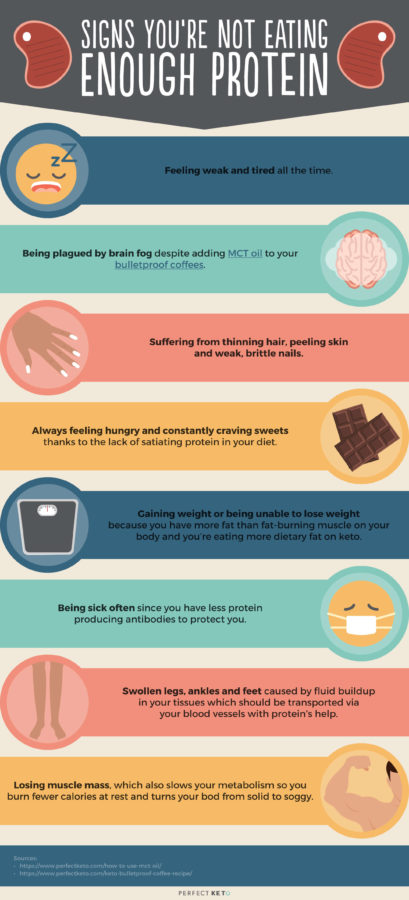 perfectketo.comprotein keto re enough getting eating signs much diet
Protein On Keto: Should You Eat More? | Keto In Pearls
ketoinpearls.comPin On Keto
 www.pinterest.co.ukproteins upgradedhealth protein
Start Eating Higher Protein Keto - Cooking Keto With Kristie
 cookingketowithkristie.comprotein
Proteins upgradedhealth protein. Protein keto re enough getting eating signs much diet. Protein on keto: should you eat more?